

People mistake a lack of trust for suspicion. It isn’t.
Some of us don’t expect the worst in others. We’ve already met it.
Trust doesn’t break on strangers. It breaks on the people who said you can rely on me, and meant it right up until the day they didn’t. On the hands that held yours steady, then let go mid current. On every promise that turned out to have a tide in it, in for a while, then gone, taking the shoreline with it.
There’s a story from a coast I’ve fished. Cantre’r Gwaelod, they called it. A whole kingdom, lower than the sea, kept dry by a wall and a gate and one man given the job of watching both. Seithennin was his name. He was trusted with the one thing that mattered, hold the gate, mind the tide, and on the night it counted he was at the feast instead, drunk on the comfort of the moment, and the sea came in and never left. Sixteen villages, gone under. They say you can still hear the bells of the drowned kingdom under Cardigan Bay when the water’s right. That’s what betrayal sounds like from a distance. Bells, ringing under everything, for something that isn’t there anymore.
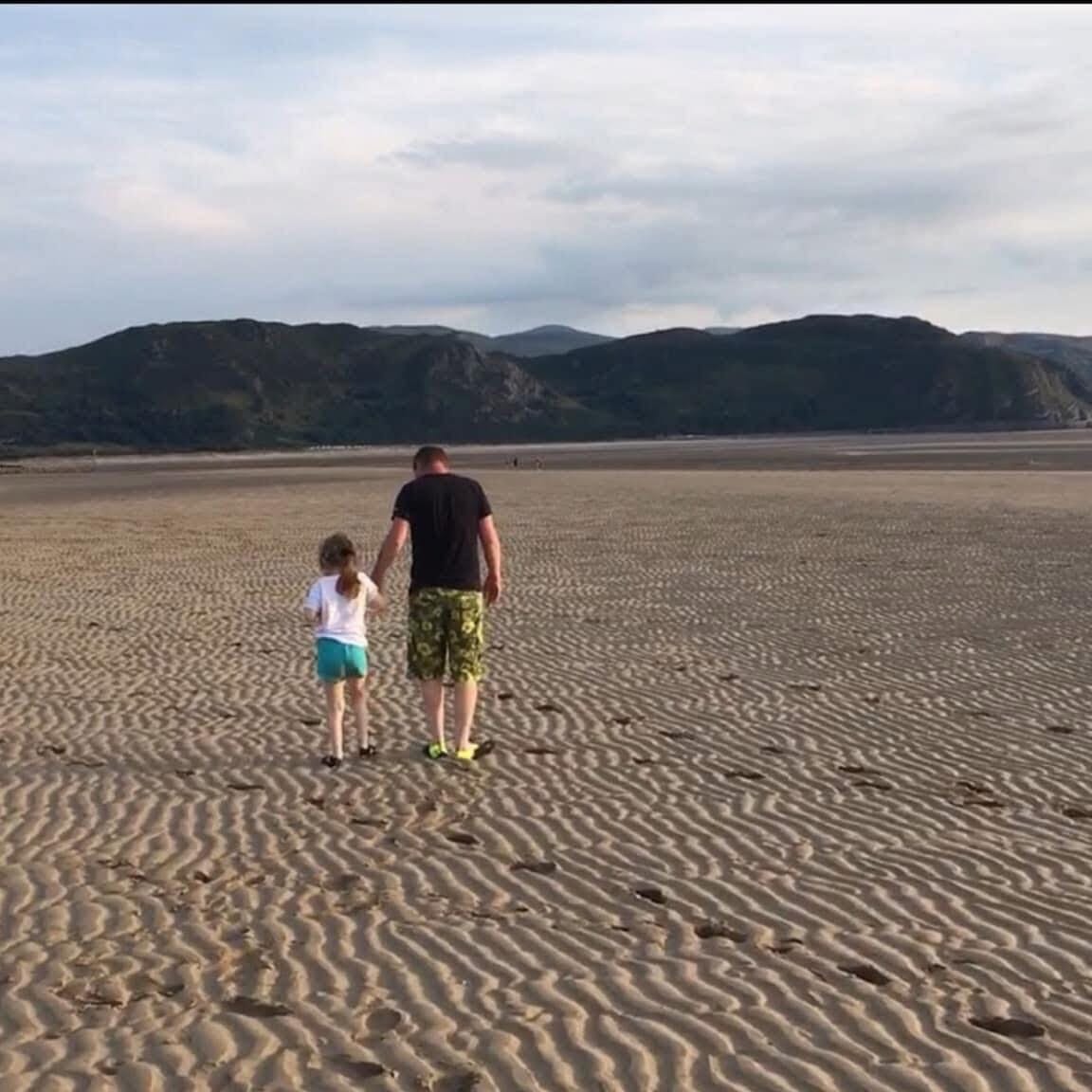
I’ve stood on marks along that same coast where the water looks flat calm and isn’t. Where the pull underneath has nothing to do with what the surface shows you. That’s what abandonment does to a person. It doesn’t just hurt you, it rewires the instrument you use to read everyone after. You stop trusting kindness at face value. You start listening for the bells. Not because you want to hear them, but because someone, once, was supposed to be watching the gate and wasn’t.
People see the wall and call it distance. They don’t ask who built it, brick by brick, out of every door that closed behind someone leaving. They don’t wonder why the gate only opens for the ones who’ve already proven they’ll stand the watch.
Here’s the part that gets missed. The ones who’ve been left are often the ones who show up hardest for everyone else. I know what it costs to be forgotten by people who were supposed to stay, professionals, institutions, whole systems built to hold and then quietly didn’t. So I stand the wall myself, now. Shield up. Because I know exactly what the flood looks like when nobody’s watching.
Real trust isn’t asked for. It’s built the way you build anything that has to hold against the sea, one showing up at a time, especially the inconvenient ones, especially the night of the feast. Not the promise. The one who stayed at the gate instead.
Some scars aren’t there to be fixed. They’re there to be understood, and left to do their work.
The opposite of betrayal was never blind trust.
It’s someone who doesn’t leave you drowning, left to the sharks with the bells ringing under you. It’s someone who stands the gate, and stays, until you reach the shore.